
CAIM Impromptu Seminar: Simon Koplev
Date: 24.04.2026, 10:30-11:30
Location: AKH, Leitstelle 7F, Pokieser Seminar Room
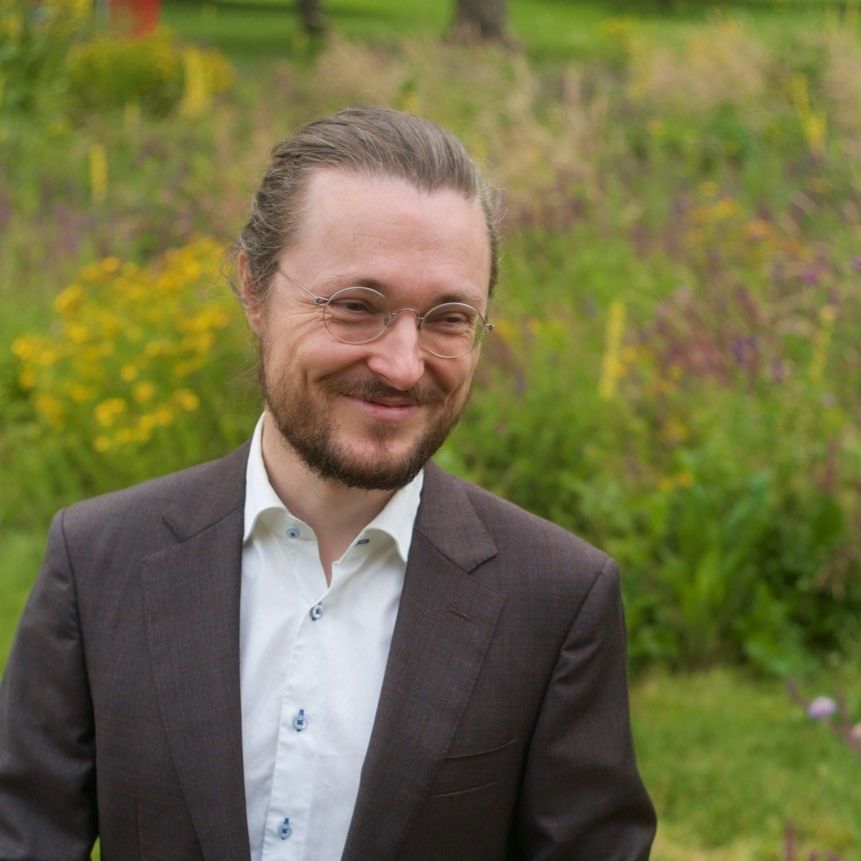
Speaker: Simon Koplev
Tittle: Dynamics of immunological tissue architecture in the human gut
Abstract: Barrier function in the gastrointestinal tract is jointly coordinated by epithelial, stromal, and immune cells, which are dynamically altered during disease perturbations. Here, single-cell, spatial, and multiomic data shows how inflammation rewires these interactions and reshapes human gut tissue architecture, focussing on fibroblast activation and therapeutic opportunity. A pan-gastrointestinal tract reference atlas detects epithelial metaplasia emerging from intestinal stem cells with transcriptional similarity to pyloric glands in the stomach. Stromal remodelling in Crohn’s disease involves distinct cytokine niches and inflammatory fibroblasts (IFs) as a stable ulcer-associated cell state. IFs are induced by combinatorial cytokine exposure that suppresses submucosal fibroblast programs through ETV4, PRDM1, and RELB transcription factors. Histone deacetylase inhibition destabilises IFs potentially reducing mucosal inflammation. Finally, tissue-resident memory T (Trm) cells across intestinal tissue and lymph nodes show chromatin accessibility imprinting and transcription factor specificity, showing feasibility for tracking T cell migration.
Bio: Simon Koplev is a SciLifeLab Fellow and newly appointed group leader in computational biology at KTH Royal Institute of Technology, Department of Gene Technology in Stockholm. He leads a computational biology research group investigating the fundamental principles and architecture of human tissues across organs in healthy steady-state and disease perturbations. The group is engaged with collaborative large-scale and open science efforts such as the Human Cell Atlas, developing the next generation of reference datasets and computational methods. Simon holds a PhD in Medical Science from the University of Cambridge at the Cancer Research UK Cambridge Institute supervised by John Marioni and Martin Miller. He did his postdoc with Sarah Teichmann at the Sanger Institute and Cambridge Stem Cell Institute, working on human single-cell and spatial studies of intestinal fibroblasts. Simon has 12 years of experience in bioinformatics research having published with more than 500 co-authors 35 peer-reviewed papers, spanning research on cancer, cardiovascular diseases, fibroblasts, gene regulatory networks, and computational methods development using machine learning. He holds a MScEng in Systems Biology from the Technical University of Denmark, supervised by Søren Brunak, including 2 semesters as a Research Scholar at the Dana-Farber Cancer Institute, Harvard Medical School. Simon began his scientific career with a BS in Biochemistry from the University of Copenhagen.
This is part of the CAIM Talks series.